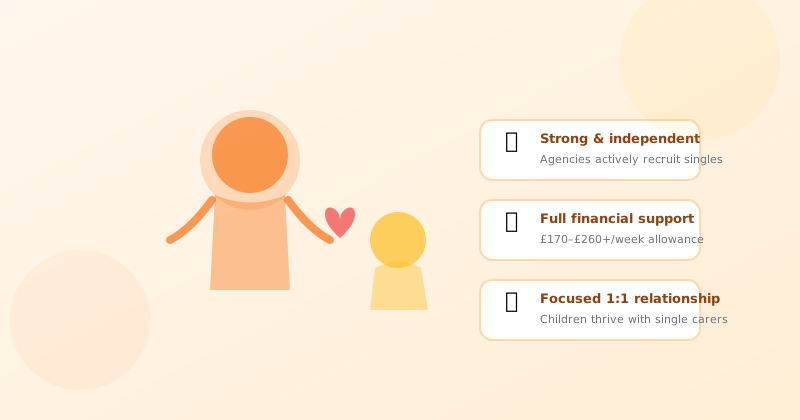
One of the most common myths about fostering is that you need to be married or in a partnership to do it. This is completely untrue.
Single foster carers play a vital role in the UK care system. In fact, for some children who have experienced trauma related to domestic relationships, a single carer can offer a safer, less overwhelming environment than a couple.
The Facts
- You can foster regardless of your marital status.
- You can foster if you are single, divorced, or widowed.
- Both men and women can foster as single applicants.
Can I work and foster as a single parent?
Yes, but it requires flexibility.
If you are fostering a school-age child, you can often continue to work, provided your hours allow you to do the school run, attend meetings, and be available during school holidays (or have reliable childcare).
For younger children or those with complex needs, the fostering role is often full-time. In these cases, the fostering allowance and professional fee(which can be £400-£600+ per week depending on the child) are designed to replace or supplement income.
Building a Support Network
As a single carer, having a support network is essential. The assessment (Form F) will look closely at:
- Emergency contacts: Who can help if you are ill?
- Emotional support: Who do you talk to?
- Practical help: Friends or family who can offer babysitting (subject to checks).
Dating and New Relationships
Being a single foster carer doesn't mean you can't have a personal life. However, significant new partners will need to be assessed (DBS checks etc.) before they can have unsupervised contact with a foster child or stay over.
Why Single Carers Are Amazing
Single carers can offer a focused, one-to-one relationship that many foster children thrive on. You don't have to navigate parenting dynamics with a partner, allowing you to be consistent and fully present for the child.
Don't let relationship status hold you back. Agencies need people just like you.
Find a Single-Friendly Agency →