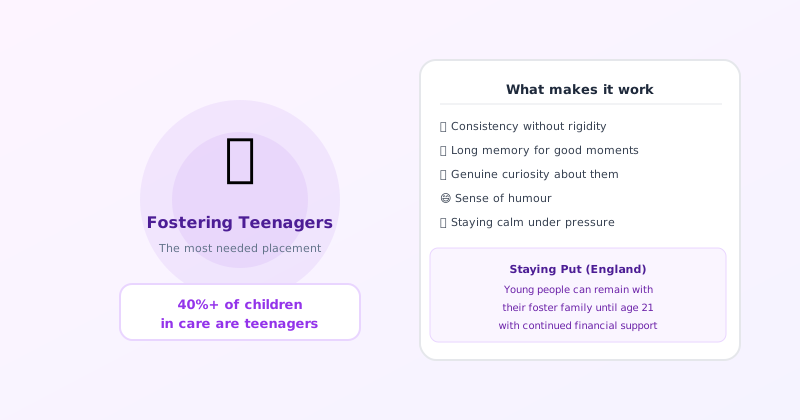
- Over 40% of children in care in England are teenagers (13+)
- Harder to place - but not harder carers than younger children, just different
- Key skills: boundaries with warmth, tolerance of push-back, long view
- Most teenagers in care have experienced significant trauma - behaviours are communications
- Agencies pay £380-£600+/week for teenage placements
When many people imagine fostering, they picture a young child. Yet the reality of care in England is very different: over 40% of looked-after children are aged 13 or older. These young people desperately need stable foster placements - and agencies are willing to pay significantly more for carers who will take them.
Why Teenagers Are Harder to Place
Teenagers who have experienced trauma often test boundaries to see if you will give up on them, push you away precisely because they want connection but fear it, and engage in risk-taking behaviour partly to feel in control.
What Actually Works
- Consistency without rigidity: Clear expectations, but proportionate responses.
- Long memory for good moments: Not just for the difficult ones.
- Curiosity: Being interested in who they are, not just managing their behaviour.
- Sense of humour: Teenagers respond better to lightness than to solemnity.
- Staying calm when things escalate: Regulation is contagious.
The Staying Put Programme
In England, the Staying Put scheme allows young people looked after at 16 to remain with their foster family until the age of 21. Carers receive continued financial support during this period.
Frequently Asked Questions
Do I need to be young myself to foster a teenager?
No. Many of the most effective foster carers for teenagers are in their 50s and 60s. Life experience and emotional steadiness are more valuable than youth.
Can single people foster teenagers?
Absolutely. Many of the most effective teenage foster carers are single. A stable single adult household often provides exactly the focused attention a teenager needs.
What happens when a teenager turns 18?
Under Staying Put, they can remain with you until 21 with continued financial support. Most foster carers say the relationship continues informally long after that.