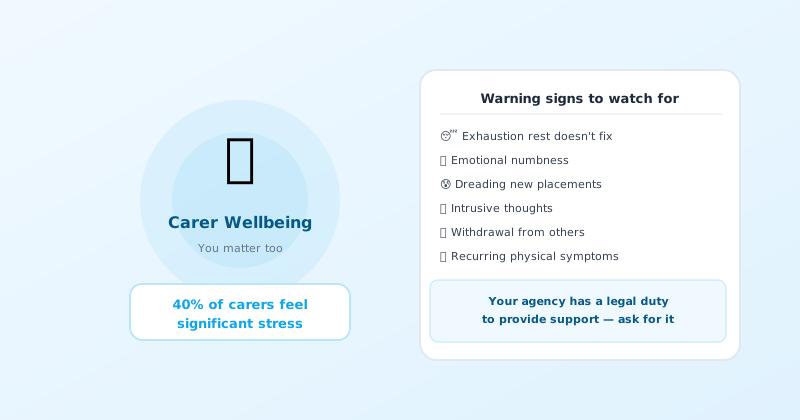
- 40% of foster carers report significant stress - you are not alone
- Secondary traumatic stress is a recognised occupational risk, not a weakness
- Your agency has a legal duty to provide support - including respite
- Specific warning signs to look out for - and what to do if they appear
Fostering is one of the most emotionally demanding things a person can do. You absorb the trauma of children who have experienced abuse, neglect, and loss - while maintaining warmth, boundaries, and consistency. That takes a toll. Acknowledging this is not weakness. It is honesty.
The Evidence
Research by the Fostering Network found that around 40% of foster carers report experiencing significant levels of stress or emotional difficulty. Secondary traumatic stress (STS) - absorbing trauma through close contact with traumatised children - is a recognised occupational risk for those in caring roles.
Warning Signs of Burnout
- Persistent exhaustion that rest does not fix
- Feeling emotionally detached or numb towards the children in your care
- Dreading the start of the day or new placements
- Intrusive thoughts or nightmares related to children's histories
- Irritability, withdrawal from friends and family
- Physical symptoms: headaches, recurring illness, appetite changes
What Support You Are Entitled To
- A named supervising social worker who visits regularly
- Access to respite care - temporary breaks from your placement
- Out-of-hours support lines for crises
- Foster carer support groups - peer-led and facilitated
- Training in therapeutic parenting and trauma
- Counselling or therapy referrals - many agencies fund this
Practical Strategies
- Name it: Tell your SSW when you are struggling. The earlier, the better.
- Build your team: Identify 2-3 people who can give you honest support.
- Use respite proactively: Take breaks before you need them, not after.
- Physical foundations: Sleep, movement, and nutrition have outsized impact on emotional resilience.
- Join a support group: The Fostering Network runs peer groups. Other carers understand in a way others cannot.
Key Resources
- Fostering Network support line: 0800 040 7676
- Mind: mind.org.uk
- Talking therapies via your GP (IAPT in England)
Frequently Asked Questions
Will talking about struggling affect my approval?
No. Seeking support is a sign of self-awareness, which is a core fostering quality. Agencies want carers who recognise their limits and ask for help.
Can I take a break from fostering without losing my approval?
Yes. You can request a break from placements - this is different from deregistration. Breaks do not typically affect approval status.
Does my agency have to pay for therapy?
There is no legal obligation to fund personal therapy, but many IFAs and some LAs do provide counselling access as part of their support package. Ask directly.