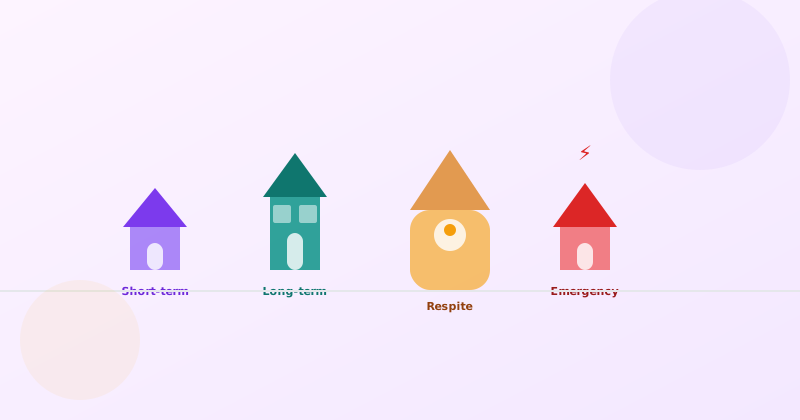
Fostering isn't one-size-fits-all. There are several distinct types of foster care, each designed to meet different needs. Understanding the types helps you decide which might suit your family and lifestyle.
Short-term fostering
The most common type. Short-term placements can last from a few days to two years while plans are made for the child's future — whether that's returning to their birth family, moving to a long-term placement, or being adopted.
- Duration: Days to 2 years
- Suitable for: Carers who want variety and can manage change
- Key skill: Helping children settle quickly during uncertain times
Long-term fostering
When a child cannot return home and adoption is not appropriate, they may be matched with a long-term foster family. These placements can last until the child turns 18 (or 21 in some cases).
- Duration: Several years to adulthood
- Suitable for: Carers who want to provide a permanent, stable home
- Key skill: Building deep, lasting relationships
Respite fostering
Planned short breaks for children who are already in a foster placement or living with their birth families. Respite gives the primary carer a break while ensuring the child has a safe, caring environment.
- Duration: Typically a weekend or a week
- Suitable for: Carers who want to foster without a full-time commitment
- Key skill: Flexibility and the ability to welcome children at short notice
Emergency fostering
When a child needs to be removed from their home immediately — often during the night — emergency carers provide a safe place at extremely short notice. Placements are usually brief (24 hours to a few weeks).
- Duration: 24 hours to a few weeks
- Suitable for: Experienced carers who can manage unpredictability
- Key skill: Calm under pressure, ready at very short notice
Parent and child fostering
A parent (usually a young mother) and their baby are placed together in your home. Your role is to support the parent's parenting skills while ensuring the child's safety. These placements are often used during court assessments.
- Duration: 6 weeks to 6 months
- Suitable for: Patient, experienced carers with parenting knowledge
- Key skill: Supporting adults without judging, while prioritising the child
Fostering unaccompanied asylum-seeking children (UASC)
Children and young people who arrive in the UK without a parent or guardian, often after traumatic journeys. They need a stable home, patience, and cultural sensitivity.
- Duration: Varies — often long-term
- Suitable for: Carers who are culturally open and patient
- Key skill: Supporting children dealing with trauma, language barriers, and cultural adjustment
Specialist therapeutic fostering
For children with the most complex needs — severe trauma, challenging behaviour, disabilities, or mental health conditions. Specialist carers receive additional training and significantly higher fees.
- Duration: Varies
- Suitable for: Experienced carers with specific training
- Key skill: Therapeutic parenting, de-escalation, resilience
Staying Put
When a young person turns 18, they can choose to “stay put” with their foster family until they are 21. This provides stability during the transition to adulthood. Your agency continues to provide support and a modified allowance.
Which type is right for you?
The right type depends on your lifestyle, experience, and what you feel drawn to. Most new carers start with short-term or respite, then specialise as they gain experience. Your agency will help you decide.
- Read about who can foster — check your eligibility
- Understand the full fostering process
- Learn about foster carer pay and how it varies by type